Searching for a job can be stressful, and scammers know it. They take advantage of job seekers by creating fake vacancies that look professional and convincing. Many fraudulent job adverts now use company logos, realistic job descriptions, and fake recruiter profiles, making them difficult to identify.
The good news is that most job scams share common warning signs. Knowing what to look for can protect your money, personal information, and valuable time.
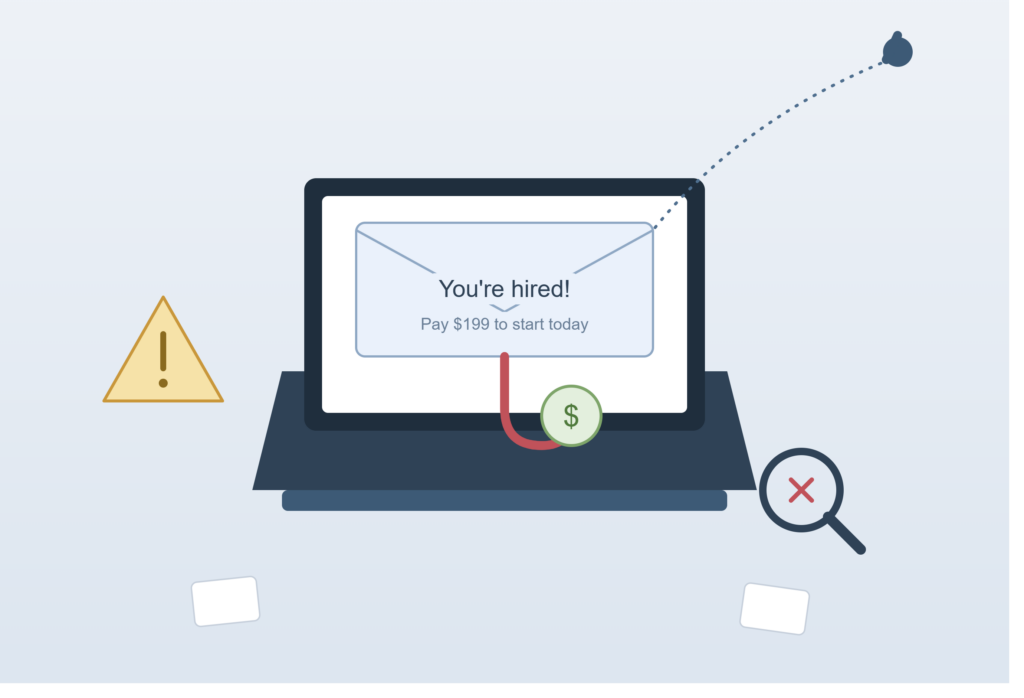
Why Job Scams Are Increasing
The growth of online recruitment has made it easier for employers to find talent, but it has also created opportunities for scammers. Fake recruiters use social media, messaging apps, email, and job websites to target unemployed people and graduates who are eager to find work.
Their goal is usually one of the following:
- Steal your personal information
- Take your money
- Gain access to your banking details
- Use your identity for fraud
- Exploit you through fake employment
Learning to recognize these scams is one of the most important job search skills you can develop.
1. You Receive a Job Offer Without an Interview
A legitimate employer wants to assess your skills before offering you a position. This usually involves one or more interviews, assessments, or reference checks.
Be cautious if:
- You receive a job offer within minutes of applying.
- The recruiter never schedules a phone or video interview.
- Everything happens through WhatsApp, Telegram, Facebook Messenger, or SMS.
- The company immediately asks you to complete employment documents.
Real employers invest time in selecting the right candidate.
2. You’re Asked to Pay Money
This is the biggest warning sign of all.
Legitimate companies never ask candidates to pay for employment.
Never pay for:
- Application fees
- Interview fees
- Uniforms before employment
- Training costs
- Security clearance
- Background checks
- Medical examinations arranged by unknown companies
- Starter kits
- Equipment deposits
Once someone asks you to send money in exchange for employment, stop communicating immediately.
3. The Salary Sounds Too Good to Be True
Scammers often advertise unrealistic salaries to attract as many applicants as possible.
Examples include:
- R18,000 per month with no qualifications required
- Work two hours daily and earn R1,500
- No experience needed with extremely high pay
- Guaranteed employment after applying
While good opportunities do exist, salaries should match the role, qualifications, and industry standards.
If the offer seems unrealistic, investigate carefully before applying.
4. They Ask for Personal Information Too Early
Employers eventually need your personal details for payroll and employment records, but only after you’ve successfully completed the recruitment process.
Be careful if you’re asked to provide:
- Banking details
- ATM PIN
- Online banking credentials
- Passwords
- Copies of ID before any interview
- Passport details
- Tax numbers during the application stage
Identity theft has become increasingly common, and scammers use fake job adverts to collect sensitive information.
Only provide personal documents after verifying the employer’s legitimacy.
5. The Company Cannot Be Verified
Always research the company before applying.
Take a few minutes to:
- Visit the official company website.
- Check whether the vacancy appears on the careers page.
- Search the company name together with words like “scam” or “fake jobs.”
- Read reviews from current or former employees.
- Verify the company address.
- Confirm that contact numbers actually belong to the company.
Legitimate employers usually have an established online presence.
If you cannot verify the company, proceed with caution.
6. The Recruiter’s Email Looks Suspicious
Professional companies usually communicate using official business email addresses.
For example:
Be cautious if the recruiter uses:
- Gmail
- Yahoo
- Outlook
- Hotmail
Also look carefully at the email domain.
Scammers often create fake addresses that closely resemble genuine companies.
A small spelling difference can easily go unnoticed.
7. You’re Pressured to Make Immediate Decisions
Scammers don’t want you to think.
They create urgency by saying:
- “You must pay today.”
- “The position will be gone in one hour.”
- “Only five vacancies remain.”
- “Respond immediately.”
Real employers understand that candidates need time to review offers and complete documentation.
Pressure is one of the most common manipulation tactics used by fraudsters.
8. The Job Description Is Extremely Vague
A genuine vacancy usually explains:
- Daily responsibilities
- Required qualifications
- Necessary experience
- Skills needed
- Reporting structure
- Working hours
- Location
Fake adverts often contain only generic phrases such as:
- Easy work
- Earn from home
- Immediate hiring
- Unlimited income
- No qualifications needed
- Anyone can apply
If you still don’t understand what the job actually involves after reading the advert, that’s a warning sign.
9. Poor Grammar and Unprofessional Communication
Although not every typo indicates fraud, numerous spelling mistakes, inconsistent formatting, and poorly written emails should raise concerns.
Professional organisations usually proofread recruitment material before publishing it.
Look out for:
- Random capital letters
- Incorrect company names
- Broken English
- Poor sentence structure
- Generic greetings like “Dear Applicant”
Small details often reveal fake recruiters.
10. They Ask You to Receive or Transfer Money
Some scams involve using job seekers as money mules.
You may be asked to:
- Receive payments into your bank account
- Transfer money to another account
- Cash cheques
- Purchase gift cards
- Send cryptocurrency
Never agree to handle money for an employer you haven’t officially joined.
Doing so could involve you in criminal activity without your knowledge.
How to Protect Yourself
Follow these simple steps whenever you apply for jobs:
- Research every company before applying.
- Verify recruiter email addresses.
- Never pay application or recruitment fees.
- Apply through official company websites whenever possible.
- Keep copies of all communication.
- Be cautious when communicating through messaging apps.
- Trust your instincts if something feels wrong.
Taking a few extra minutes to verify an opportunity can save you from significant financial and emotional stress.
What to Do If You Find a Fake Job
If you suspect a vacancy is fraudulent:
- Stop communicating with the recruiter.
- Do not send additional documents.
- Report the advert to the job website or social media platform.
- Inform your bank immediately if you’ve shared financial information.
- Change passwords if you’ve disclosed login details.
- Report the incident to the relevant authorities in your country.
Reporting scams also helps protect other job seekers.
Stay Alert During Your Job Search
Finding employment takes patience, and it’s natural to become excited when an opportunity appears. However, scammers rely on urgency and emotion to trick people into making quick decisions.
Always verify the employer, research the company, and remember that legitimate employers do not charge candidates for jobs. If an offer sounds too good to be true or requires payment before employment, it’s almost certainly a scam.
By staying informed and following safe job search practices, you can protect yourself while focusing on genuine career opportunities that support your long-term goals.