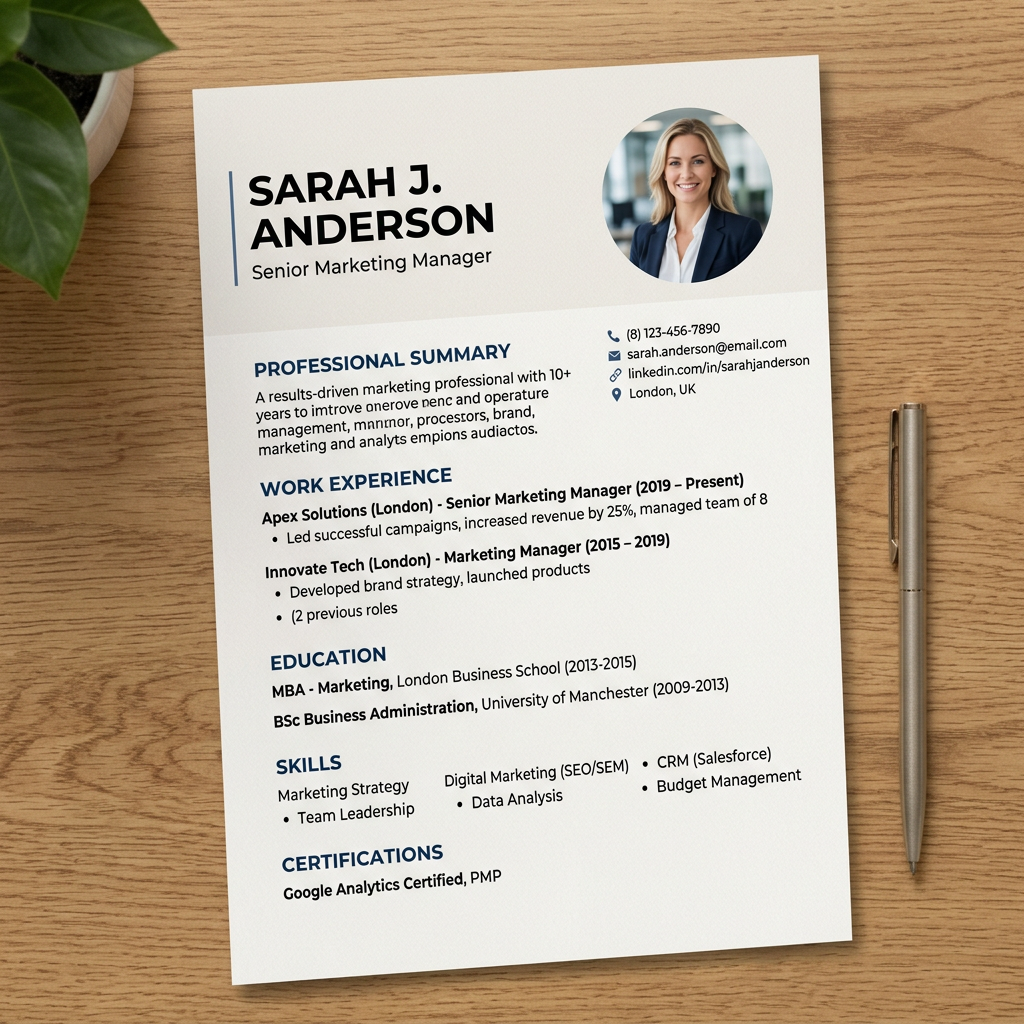
One of the most common questions job seekers ask is whether they should include a photograph on their CV. While it may seem like a small detail, the answer depends on several factors, including the country you’re applying in, the industry, and the employer’s preferences.
Some candidates believe a professional photo makes them more memorable, while others worry it could hurt their chances. So, what do recruiters actually recommend?
The short answer is: In most cases, you do not need to include a photo on your CV. In many industries and countries, leaving it off is considered the best practice.
Let’s explore why.
Why Many Recruiters Prefer CVs Without Photos
The main purpose of a CV is to highlight your qualifications, skills, and experience—not your appearance.
Many employers intentionally avoid reviewing photos because they want to make hiring decisions based on merit. Excluding photos can also help reduce unconscious bias and support fair recruitment practices.
For this reason, many companies actively discourage applicants from including photographs unless specifically requested.
When You Should NOT Include a Photo
For most professional roles, especially in areas such as:
- Administration
- Finance
- Information Technology
- Engineering
- Human Resources
- Customer Service
- Accounting
- Government
- Education
leave the photo out unless the employer asks for one.
A clean, well-organised CV without a photograph is generally preferred.
When Including a Photo May Be Appropriate
There are a few industries where appearance forms part of the role or where employers may expect a headshot.
Examples include:
- Acting
- Modelling
- Television and broadcasting
- Presenting
- Entertainment
- Hospitality (in some countries)
- Cabin crew (only if requested)
Always read the job advertisement carefully. If the employer requests a photo, include one. If not, it’s usually best to leave it out.
The South African Perspective
In South Africa, there is no universal requirement to include a photo on your CV. Most employers focus on your qualifications, skills, experience, and suitability for the role.
If a vacancy specifically requests a recent professional photograph, follow the instructions provided. Otherwise, you can confidently submit a CV without one.
Advantages of Including a Photo
If it’s appropriate for the role, a professional photo can:
- Help recruiters remember you.
- Add a personal touch.
- Create a polished first impression.
- Support applications in industries where appearance matters.
However, these benefits only apply when the photo is professional and relevant.
Disadvantages of Including a Photo
Adding a photo may:
- Take up valuable CV space.
- Distract recruiters from your qualifications.
- Introduce unconscious bias.
- Make your CV look outdated if the image is casual or poor quality.
Unless there’s a clear reason, these drawbacks often outweigh the benefits.
If You Include a Photo, Follow These Best Practices
If a photo is requested—or appropriate for your industry—make sure it is:
- A recent, high-quality head-and-shoulders image.
- Taken against a plain background.
- Well lit and in focus.
- Professional in appearance.
- Smiling naturally.
- Wearing clothing suitable for your profession.
Avoid:
- Selfies.
- Vacation photos.
- Group photos.
- Heavy filters.
- Sunglasses or hats.
- Cropping yourself out of another image.
Your photo should reflect the same professionalism as the rest of your CV.
Common Myths About CV Photos
Myth 1: A photo always improves your chances.
Not true. Most recruiters care far more about your qualifications and experience.
Myth 2: Every country expects a photo.
Different countries have different hiring practices. Always research local expectations.
Myth 3: A good-looking photo gets more interviews.
Professional employers are interested in finding the best candidate for the role—not judging applicants by appearance.
What Should You Include Instead of a Photo?
Rather than using space for a picture, consider adding:
- A strong professional summary.
- Key skills.
- Certifications.
- Measurable achievements.
- A link to your LinkedIn profile (if it’s up to date).
These additions provide employers with far more useful information.
Frequently Asked Questions
Can I use the same photo as my LinkedIn profile?
Yes, provided it’s professional, current, and appropriate for the role.
Can I use a passport photo?
Yes, if it’s recent, high quality, and looks professional.
What if the employer asks for a full-body photo?
Only provide it if it’s directly relevant to the role and explicitly requested.
Final Thoughts
When it comes to CV photos, the safest approach is simple: follow the employer’s instructions. If a job advertisement asks for a professional photo, include one that reflects the standards of the role. If no photo is requested, it’s usually best to leave it out and let your qualifications, skills, and achievements speak for themselves.
A well-written, tailored CV will always have a greater impact than a photograph. Focus on presenting your experience clearly, highlighting measurable accomplishments, and ensuring your CV is easy to read. Those are the factors that consistently attract recruiters’ attention.